October 19, 2026
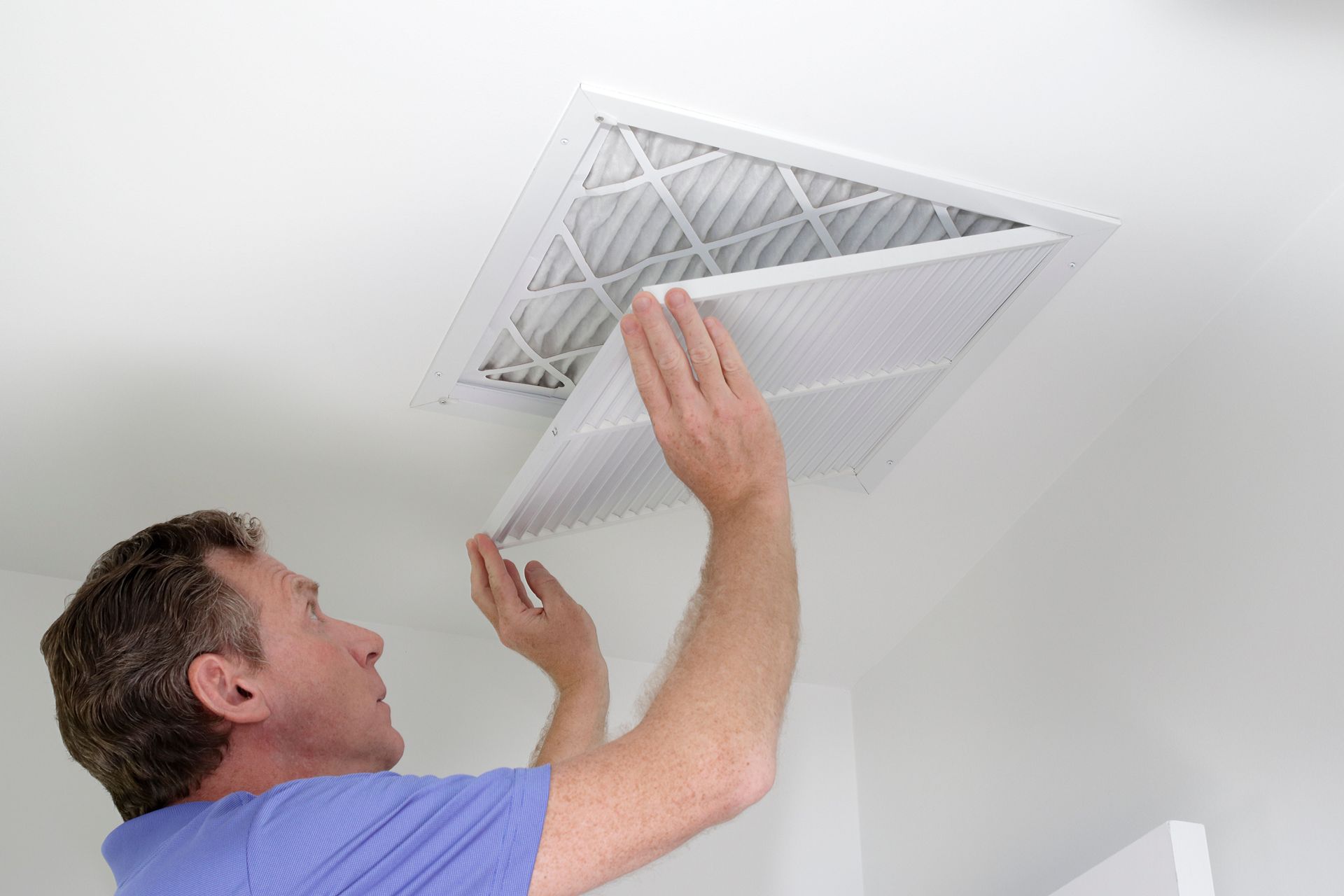
Air filters have an important job in commercial buildings: capturing airborne particles while allowing air to move through the HVAC system. Their condition can affect both filtration and airflow, making replacement a practical part of caring for offices, retail spaces, and other facilities. However, an aging filter may not announce itself with an obvious equipment failure. The first indication may be an overdue service date, a change in airflow, or a condition noticed during a professional filter check.
Recognizing the signs that warrant commercial air filter replacement helps facility managers address filtration needs before they become an ongoing disruption. Some signs point directly to the filter, while others call for a closer look because they can have several causes. A professional assessment of the filter's condition, fit, and suitability helps clarify whether replacement is appropriate. These six indicators provide a useful starting point for that discussion.
1. The Recommended Replacement Date Has Passed
A missed replacement date is reason to arrange service even when the building seems comfortable. Filters collect material throughout their use, and normal room temperatures do not reveal how much debris has accumulated. The appropriate interval depends on the filter type, the operating environment, and how the equipment is used. Manufacturer recommendations and the facility's experience with previous filters can help establish a schedule suited to the building.
An overdue appointment for commercial air filter replacement should prompt a review of both timing and current condition. A schedule that worked during lighter use may need adjustment when a building becomes busier or operates for longer hours. The service provider can help relate those changes to the replacement needs of the installed filters. Keeping the last service date and recommended next visit available also helps avoid uncertainty about when work is due. The aim is to give routine replacement a consistent place in facility maintenance, with timing that reflects actual use.
2. A Professional Check Finds Heavy Buildup
Dust and debris on a filter show that it has been capturing particles, but substantial accumulation can become a reason for replacement. As material collects, the filter can offer more resistance to air moving through it. A professional check can identify a heavily loaded filter and relate its condition to the product's replacement requirements. The amount and pattern of buildup may also help explain whether the current service interval suits the environment.
When accumulated material has reached the point that a filter needs changing, commercial air filter replacement addresses that condition directly. The replacement removes the buildup held in the old media while providing a new filter suited to the system's particle-capture requirements. The new product should match the equipment's dimensions and filtration requirements so the change supports normal operation. If filters repeatedly become heavily loaded before the planned visit, the service schedule deserves another look. That information can help the facility account for its dust exposure without treating every building or filter as though it has the same service life.
3. Airflow Seems Weaker Than Usual
A noticeable reduction in airflow can bring a filter problem to attention. Occupants may report that air movement from familiar outlets feels weaker, or certain areas may become less comfortable during ordinary use. A clogged filter is one possible contributor because accumulated material can obstruct the air passing through it. The change should be taken seriously, while recognizing that airflow concerns can also involve conditions elsewhere in the HVAC system.
Professional commercial air filter replacement can address a loaded filter when its condition is contributing to restricted airflow. The filter assessment should also consider whether the installed product is suitable for the equipment, since filtration and airflow need to work together. A replacement selected only for particle capture may not suit every system's operating requirements. If the filter is in suitable condition and properly fitted, weaker airflow still needs attention through the facility's equipment maintenance arrangements. The condition of the filter provides the basis for deciding whether replacement is part of the appropriate response to the airflow concern.
4. Dust Returns More Quickly Than Expected
Dust appearing repeatedly on desks, shelving, or other surfaces can prompt a review of the building's filtration. Increased foot traffic, activities inside the facility, and particles entering from outside can all influence how quickly surfaces become dusty. A filter's condition and particle-capture capability are relevant parts of that review. Persistent dust therefore provides a reason to discuss filtration, though it does not prove that an overdue filter is the sole cause.
The discussion about commercial air filter replacement can include both the existing filter and the particles the facility needs to capture. A service provider can help select among products intended for different applications, including pleated, bag, and higher-efficiency filters where appropriate. Product selection should account for the equipment as well as the indoor environment. Sharing where dust appears and when the change began gives useful context for that conversation. A dirty or unsuitable filter can be replaced as part of addressing the concern, while ordinary surface cleaning remains a separate need.
5. The Filter Is Damaged or Does Not Fit Properly
A filter with damaged media or a poor fit may need replacement before its expected service date. Torn material and gaps around the frame can interfere with the intended path of air through the filter. During professional service, attention to frame fit and seal integrity helps identify conditions that could allow air to bypass the media. A filter that looks relatively clean can still be unsuitable if it cannot sit correctly in its housing.
Accurate sizing is an important part of commercial air filter replacement when fit is the concern. Some equipment accepts standard products, while other installations require custom dimensions or a filtration solution suited to a particular housing. The replacement process should account for those requirements rather than repeat the same fitting problem with another product. Choosing the appropriate size and checking its fit helps the new filter perform its intended role. That attention is especially useful when the history of earlier filter selections is unclear or the existing product was chosen without reliable equipment information.
6. The Facility's Filtration Needs Have Changed
A change in building use can make the existing filter selection worth reconsidering. Different activities or particle concerns may call for a product better suited to the facility's present needs. According to AirNow, the Minimum Efficiency Reporting Value, or MERV rating, is the most widely used industry measure of filter efficiency. Standard MERV ratings run from 1 through 16, while HEPA filtration is classified separately. Understanding the rating helps connect product selection with particle capture, but system compatibility remains part of the decision.
Planning commercial air filter replacement around changed requirements can involve selecting different media or reviewing the replacement interval. A higher rating alone does not establish that a product will fit the equipment or support the airflow it requires. Professional guidance can relate filter dimensions, filtration performance, and operating needs before a replacement is selected. A product that suited the building in the past may need reconsideration as the facility's purpose changes. That review helps keep filtration aligned with current needs through an appropriate product and a practical service schedule.
Attention to filter condition and suitability supports a more dependable approach to caring for a commercial space. Acting on changes and following a suitable service schedule helps keep filtration connected to the way the building operates. At Daniels Filter Service, we provide professional filter replacement and product guidance tailored to commercial applications. Contact us to discuss your facility's filters and an appropriate replacement schedule.