November 20, 2026
Many commercial buildings handle air filters the same way: nobody thinks about them until a tenant complains, a unit shuts down, or the energy bill jumps. That reactive approach feels cheaper in the short run, but it often costs more once repairs, downtime, and emergency calls are added up. A planned program takes the guesswork out of filter maintenance and keeps your HVAC equipment operating the way it was designed to. It also frees your team from tracking dates, sizes, and orders on their own. Below, we'll explain why managed filter programs beat waiting for problems and how commercial air filter replacements from our team can protect your building and your budget.
Understanding the Cost of Reactive Maintenance
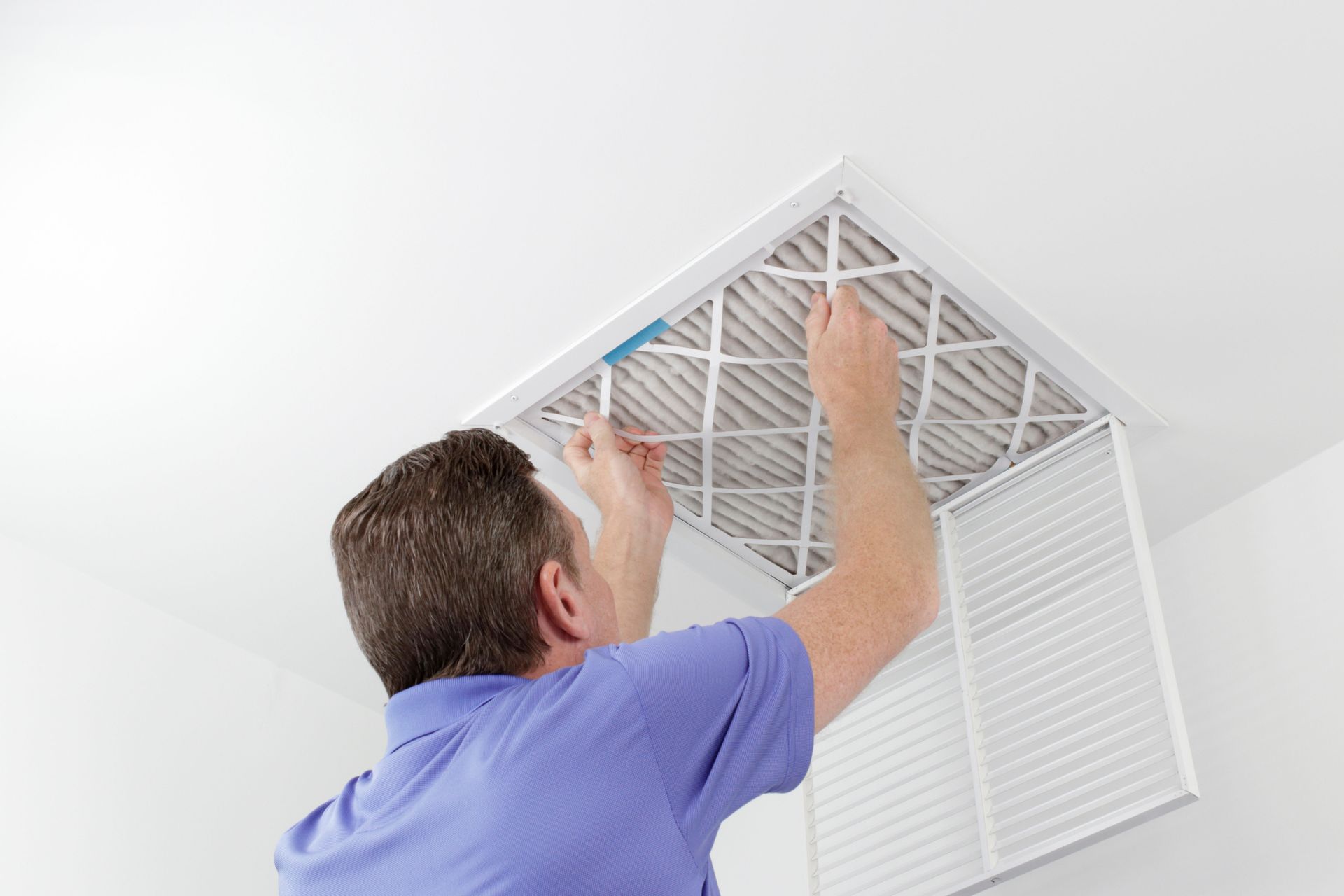
Waiting for a problem to appear usually means the damage has already started. According to Gitnux, failure to change air filters is linked to 50% of HVAC system failures. Restricted airflow forces fans, motors, and compressors to work harder than they should, and that strain adds up over weeks and months. Repair bills, lost productivity, and uncomfortable occupants are all part of the price of neglect. A filter is one of the least expensive components in your system, yet it can have an outsized effect on everything around it. Treating filter changes as routine maintenance rather than an afterthought is one of the simplest ways to protect your equipment. It also gives you a predictable cost to plan around instead of a surprise repair bill.
Setting a Schedule That Fits Your Building
No two buildings need the same filter schedule. Square footage, occupancy, outdoor air quality, nearby construction, and the type of work done inside all affect how quickly filters load up. A busy retail space may need changes more often than a quiet office, and a facility with dust-producing operations may need them more often still. A good provider looks at how your building actually operates before recommending a plan. Our commercial air filter replacements are built around your facility, so changes happen when your system needs them instead of on a guess. Reviewing the schedule once or twice a year keeps it matched to any changes in your space.
Matching Filter Types to Your Facility
Filters come in many styles, and the right one depends on what your building needs to handle. Disposable and pleated filters work well for general comfort, while bag filters offer more capacity for heavier loads. HEPA and ULPA filters are designed for environments that demand very high levels of particle capture, such as laboratories, medical centers, and cleanrooms. Paint booths and finishing rooms need filters made for overspray, and some facilities use gas-phase filtration with activated carbon or potassium permanganate to address odors and fumes. MERV ratings help compare filters, but higher isn't always better for every system, so it's worth confirming compatibility with your equipment.
Protecting Equipment and Extending Its Life
Clean filters help keep dust and debris away from coils, fans, and motors, which supports longer equipment life. Less dirt on internal parts can mean fewer breakdowns and smoother operation. Outdoor equipment deserves attention too, since seasonal debris like cottonwood fluff can clog condenser coils, and screens designed for that purpose can help. Belts on fans and blowers also wear over time and are worth checking during filter visits. Taking care of these small components helps protect the larger investment behind them. Our commercial air filter replacements are part of a wider approach that includes cottonwood screens and HVAC belts, so more of your system stays covered.
Controlling Energy Use
When airflow is restricted, equipment has to run longer and work harder to maintain the temperature you want. That extra effort can show up in utility costs, though results depend on your system, your climate, and how your building is used. Keeping filters fresh is one practical way to support efficient operation. It won't solve every energy issue, but it's an easy place to start. Tracking energy use over time can help you see the effect of consistent maintenance. For property managers watching expenses across multiple buildings, even small improvements can add up over a year. Consistent filter changes are a low-effort habit that supports those savings.
Saving Your Team Time
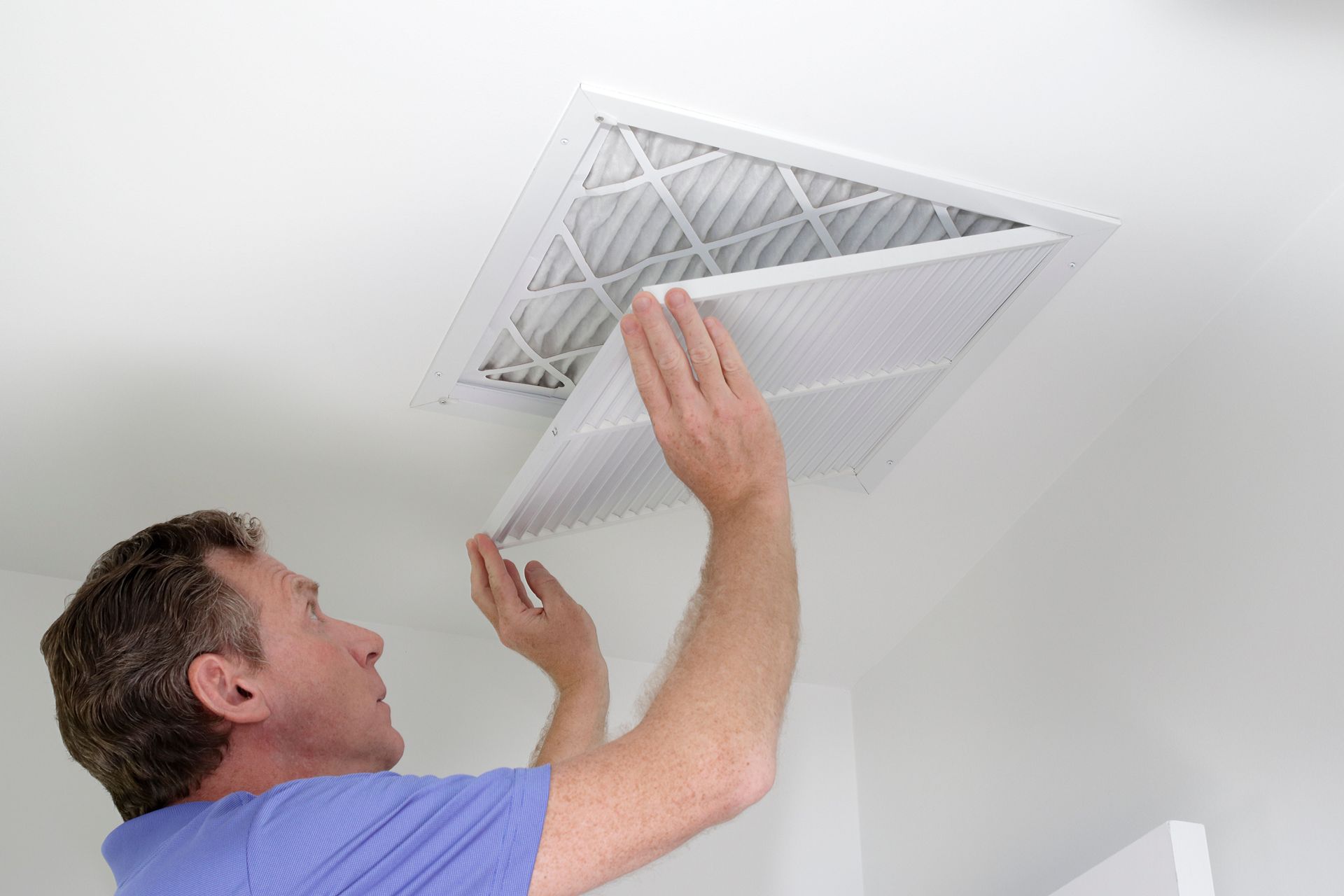
Filter changes may seem simple, but they take time, especially across a large building or several locations. Someone has to count the units, measure the sizes, order the right filters, and schedule the work. When your team is already busy, those tasks are easy to put off. A managed program hands that work to trained technicians, so your staff can focus on running the business. It also reduces the chance of ordering the wrong size or missing a change date. Our commercial air filter replacements can be handled on a managed schedule, which takes one recurring task off your plate.
Handling Custom and Hard-to-Find Sizes
Not every building uses standard filter sizes. Older systems, custom air handlers, and specialty equipment often call for unusual dimensions that are hard to find off the shelf. Using the wrong size can allow air to bypass the filter and put equipment at risk. Custom fabrication solves that problem by building filters to fit the exact opening. It also helps when a manufacturer discontinues a size or when you've modified your system over the years. Asking about custom options can save you from improvising with a filter that doesn't quite fit. A properly sized filter also helps your system run the way the manufacturer intended.
Preparing for Urgent Needs
Even with a plan in place, unexpected problems can happen. A filter might fail early, a sudden dust event might clog units faster than usual, or a new tenant might need a different level of filtration right away. Having a provider who can respond quickly makes those moments much easier to manage. Our team can handle commercial air filter replacements on an emergency basis, and we provide same-day delivery on in-stock items in the Des Moines metro area. Keeping a relationship with a reliable supplier means you aren't searching for help when time is short. It's a practical backup for any building manager who can't afford long downtime. Knowing help is close by also lets your team respond calmly when something unexpected comes up.
Choosing a Reliable Filter Partner
The right partner makes filter maintenance simple and predictable. Look for a company with experience across different filter types, the ability to handle custom needs, and a clear process for scheduling and delivery. Ask how quotes are handled and how quickly you can expect a response. Local knowledge also helps, since a provider familiar with regional conditions can recommend schedules that fit your climate. A partner who keeps good records can also help you spot trends over time. Over the long run, a trustworthy filter partner becomes part of your maintenance team instead of just another vendor. That kind of steady relationship pays off every season.
At Daniels Filter Service, we're a locally and family-owned company that has been serving businesses from Des Moines, Iowa, since 1991. We provide commercial air filter replacement, filter sales from basic filtration to HEPA, custom air filter fabrication, gas-phase filtration, cottonwood screens, and HVAC belts, along with managed replacement schedules and emergency service. We also ship nationwide and offer complimentary quotes within 24 hours. Contact Daniels Filter Service today to set up commercial air filter replacements for your building.